


Magnetic CV
Catalog
MAGNETIC CATACLYSMIC VARIABLES (CVs)
What is a Magnetic CV? Magnetic cataclysmic variables (CVs) are binary star systems that contain a white dwarf with a magnetic field that is strong enough to control the accretion flow from a late type Roche-lobe secondary. Late type secondaries are cooler stars with spectral types such as K and M.
This site contains the catalogue of the known Magnetic CVs.


CLASSIFICATIONS
Each magnetic cataclysmic variable binary (mCV) is categorized as either a polar or an intermediate polar (IP). The polars are further divided the disjoint sub-classes of synchronous polars (P), asynchronous polars (AP), and the low luminosity/pre-polars (LP) also known as Low Accretion-Rate Polars (LARPs).
The intermediate polars are divided into the normal IPs (IP), the transitional IPs (TIP), and the low-luminosity IPs (LIP). Several polars and intermediate polars have been the site of a novae eruption, designated by N and/or dwarf novae eruptions, designated by DN in the catalog.
The disjoint sets, as defined for this catalog, are described as follows:
This is an observational database with links and detailed information of known Magnetic CVs.

P = Synchronous Polars
These polars have a white dwarf spin period that is equal to the binary orbital period. This is because the white dwarf's magnetic field is strong enough to synchronous the white dwarf's rotation to the binary orbit.
AP = Asynchronous Polars
These polars have a white dwarf spin period that are up to a few percent different (longer or shorter) than the binary orbital period. These are probable only temporary APs as they all are moving towards synchronization.

LP = Low Accretion Rate Polars/ Pre-Polars
These polars show evidence for strong magnetic fields but very low level accretion and some may be evolving to become polars for the first time. The latter are called pre-polars.

IP = Intermediate Polars
The white dwarf magnetic field is not strong enough to disrupt the accretion disk in nearly all of the intermediate polars. The white dwarf spin period often spins much faster than the binary orbital period. This is due to mass accretion from the disk along the magnetic field lines that results in the spin-up of the white dwarf.
LIP = Low Luminosity Intermediate Polars
These IPs accrete at a much lower rates than the normal IPs.

TIP = Transitional Intermediate Polars
These IPs are undergoing a transition from an IP to a polar. They have white dwarf rotation rates that are not too different than their orbital periods. They are the only IPs to have magnetic fields similar to polars, as measured by polarization and some TIPs, accrete by a stream rather than a disk or combination of a disk and stream.
RRIP = Rapidly Rotation Intermediate Polars
These IPs are defined as being those with a white dwarf spin period of less than 4 minutes. This makes them potentially related to propeller binaries, especially AE Aqr, which eject much of the material transferred from the donor star out of the binary system, rather than being accreted onto the white dwarf.
UPDATING
CONTINUOUSLY
Additional Filtering
Name | Other Name | Right Ascension (RA) | Declination (DEC) | Orbital Period (hr) | WD Spin Period (hr) | Distance (pc) | WD Mass (Solar Units) | Magnetic Field (mg) | Optical (V) | Finder Chart |
|---|---|---|---|---|---|---|---|---|---|---|
UU Col | RX J0512.2-3241; 1RXS J051214.5-324140 | 05h 12m 13.23s | -32° 41’ 39.74” | 3.45 | 0.01 | 2545.46 | 0.6 | 30, 10 | 17.6 | 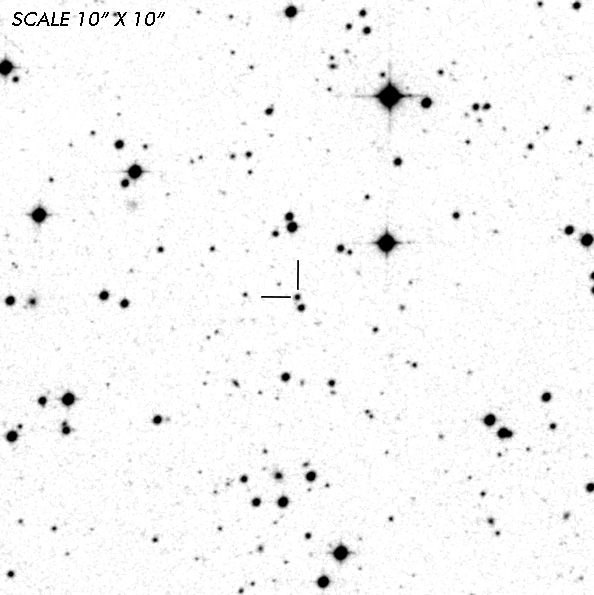 |
V1309 Ori | Ori 1; RX J0515+0104; 1RXS J051541.7+010528 | 05h 15m 41.41s | +01° 04’ 40.48” | 7.983 | 7.983 | 638.1 | 0.7 | 61 | 15.7 |  |
J0528+2838 | RXS J052832.5+283824; IPHAS J0528+2838 | 05h 28m 32.68s | +28° 38' 37.73" | 224.2 | 16.4 | 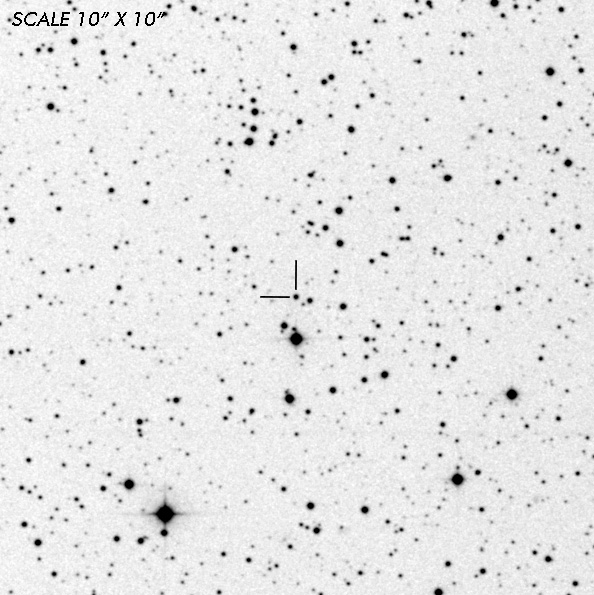 | ||||
UW Pic | RX J0531-4624; 1RXS J053136.3-462406 | 05h 31m 35.65s | -46° 24' 04.96" | 2.223 | 2.223 | 289.36 | 15.9 | 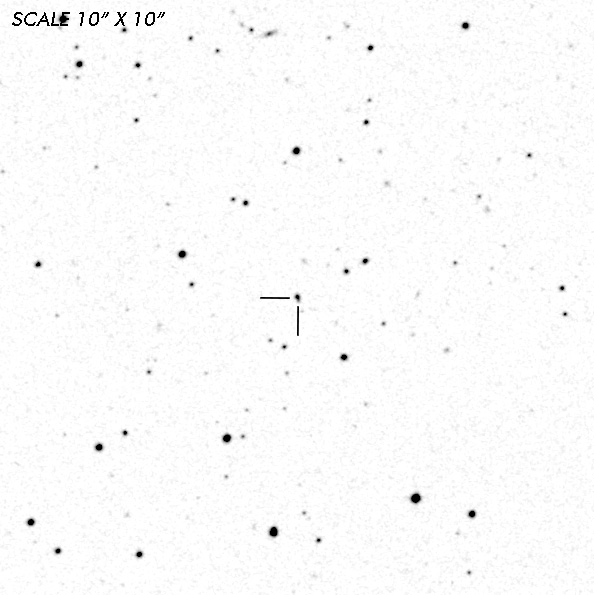 | ||
BY Cam | H 0538+608; SWIFT J0542.6+6051 | 05h 42m 48.80s | +60° 51' 31.38" | 3.354 | 3.291 | 264.54 | 0.76 | 41, 28 | 15.0 | 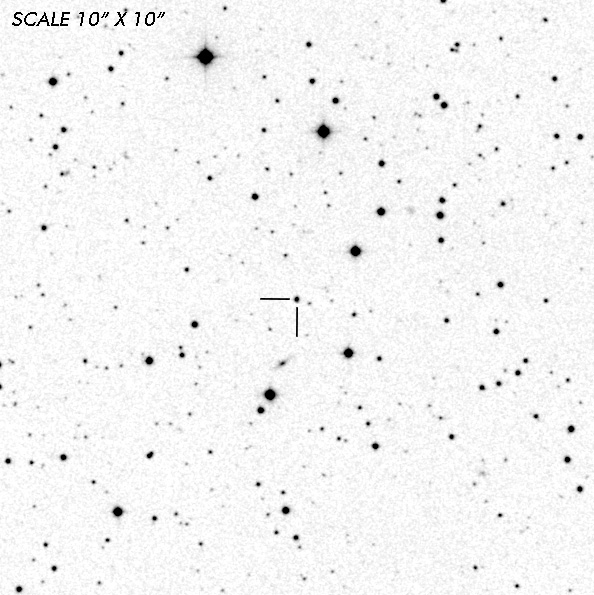 |
J0600-2709 | [BTR99] J060033.2-270919; 1RXS J060033.1-270918 | 06h 00m 33.29s | -27° 09’ 18.89” | 1.284 | 1.284 | 1218.78 | 0.75 | 20 | 19.5 | 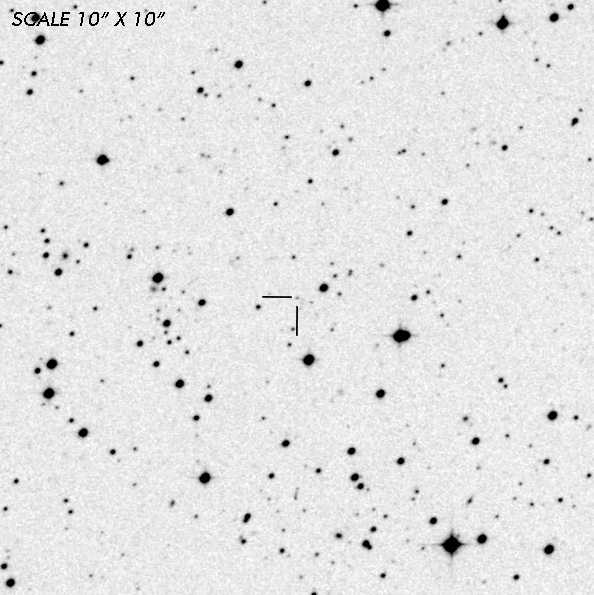 |
J0614-2725 | MASTER OT J061451.70-272535.5 | 06h 14m 51.72s | -27° 25’ 35.42” | 2.079 | 2.079 | 1129.53 | 0.68 | 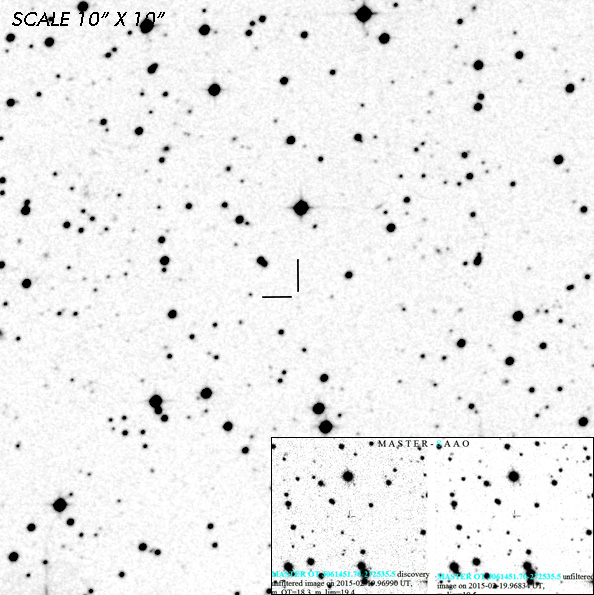 | ||
J0649.8-0737 | RX J0649.8-0737, Mon | 06h 49m 50.92s | -07° 37’ 40.89” | 4.347 | 4.347 | 581.4 | 0.8 | 44 | 17.1 | 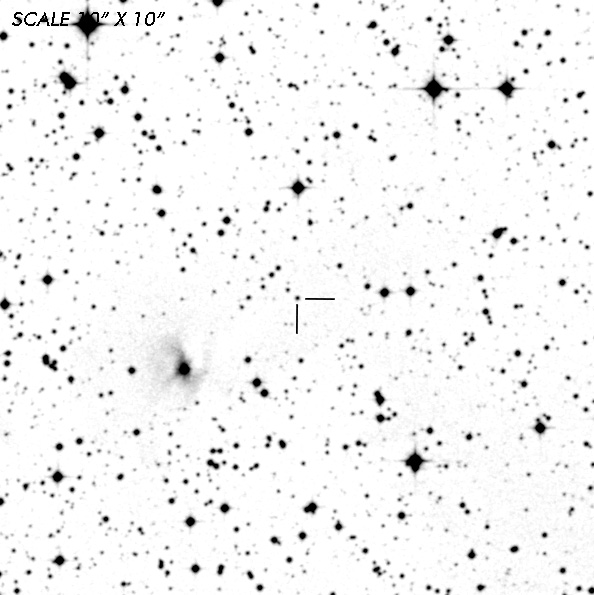 |
J0658-1744 | PBC J0658.0-1746; [FS2003] 0404; 2MASS J06580591-1744249 | 06h 58m 05.91s | -17° 44’ 24.97” | 2.379 | 2.379 | 208.2 | 0.6 | 10 | 16.7 | 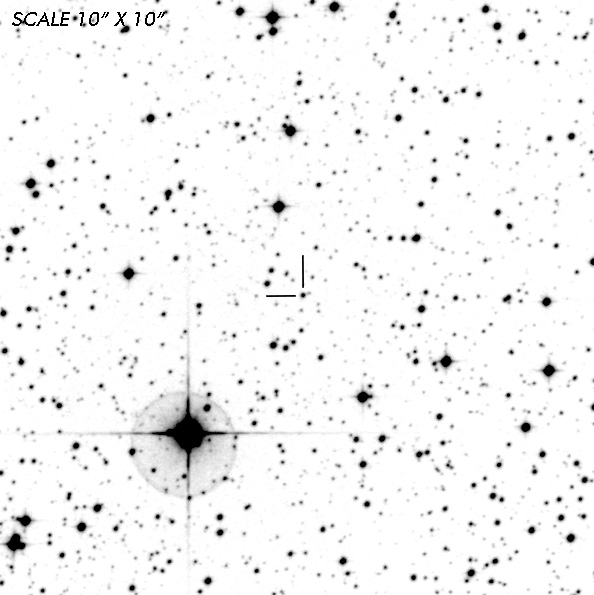 |
LW Cam | RX J0704.2+6203; 1RXS J070409.2+620330 | 07h 04m 10.03s | +62° 03’ 27.94” | 1.621 | 1.621 | 548.55 | 24, 20 | 17.7 | 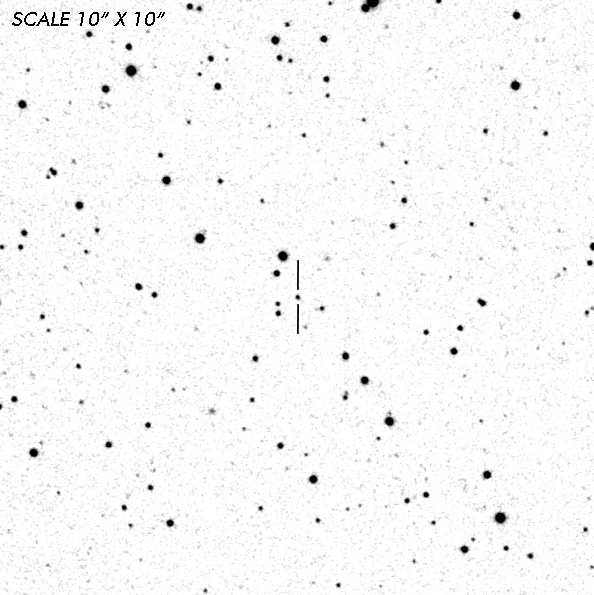 | |
J0706+0325 | SWIFT J0706.8+0325; PPMXL 3189652360374206258 | 07h 06m 48.93s | +03° 24’ 47.33” | 1.704 | 1.704 | 206.24 | 17.1 | 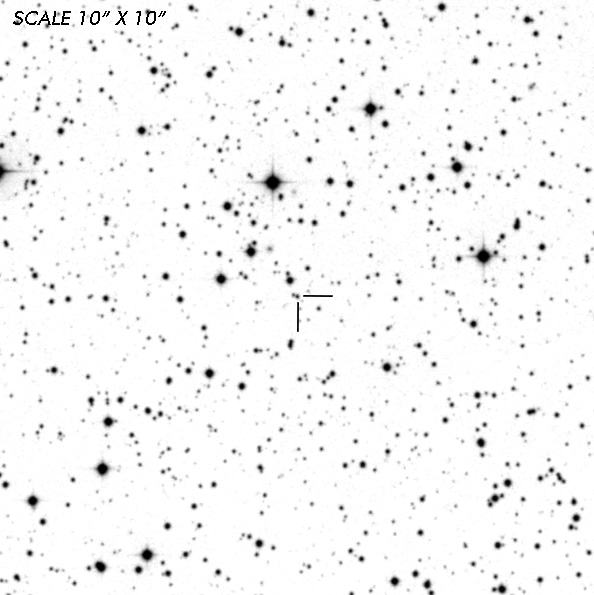 | ||
V808 Aur | CRTS J071126.0+440405; 2MASS J07112601+4404051 | 07h 11m 26.01s | +44° 04’ 05.10” | 1.953 | 1.953 | 213.32 | 0.86 | 51, 38 | 16.8 | 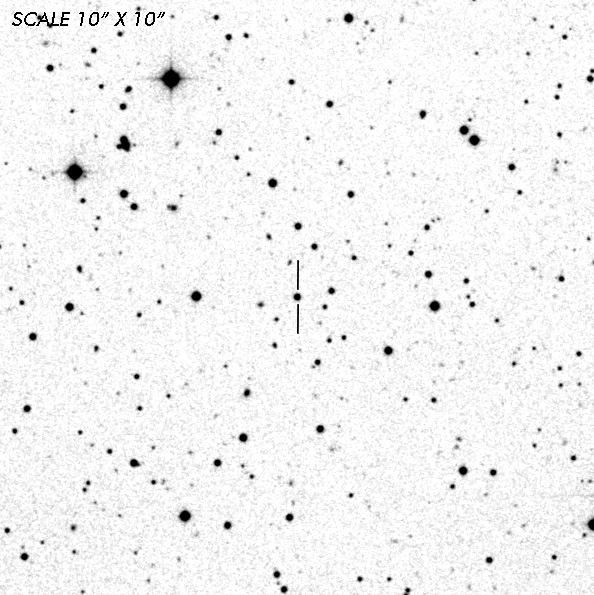 |